
Renovation
Wall Cladding: Explore the Options First
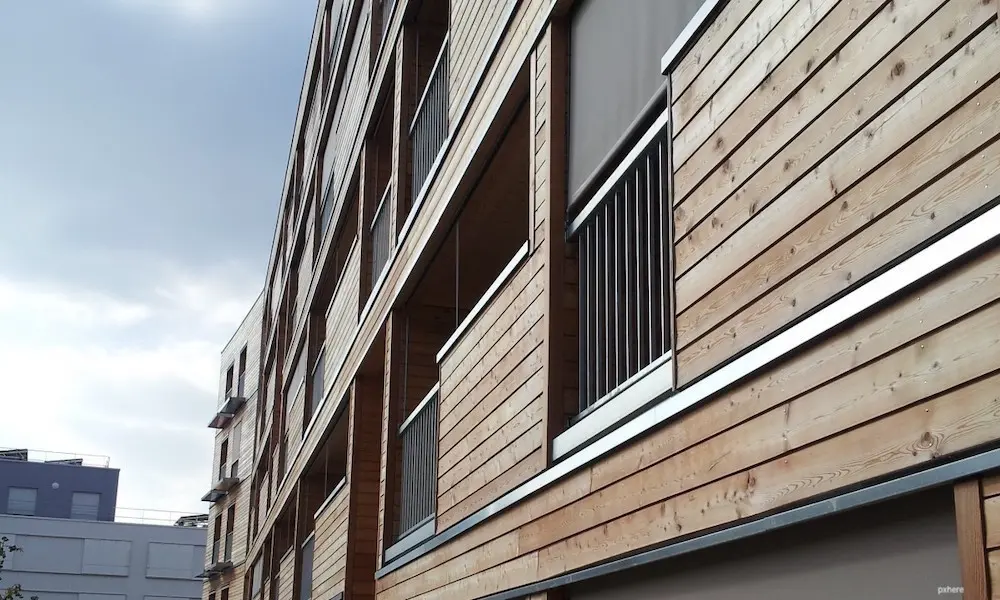
Wall cladding is the process of covering a building’s exterior or interior walls with another material to provide protection, insulation, and aesthetic appeal. With a wide array of materials and styles available, the right cladding can transform the look and performance of any structure.
If you turn back the pages of a history book, you will realize that, like everything around us, the structure and architecture of our homes and buildings have evolved a great deal over the decades. Earlier, people’s main motto was simply to have a roof over their heads, so houses were simple and met only the bare minimum.
The need for having a luxurious or extravagant house was completely absent. As time passed and technology advanced, people started upgrading and renovating their simple homes into something more complex and (of course!) stunning.
However, with more complex versions come more responsibilities. Now, just building a perfect and extravagant house is not enough. To increase its market value, you have to invest in its maintenance.
One of the best ways to maintain and protect a building’s exterior is to clad it with aluminum composite panels.
Cladding Options
Properly maintaining your home is essential for preserving and even increasing its value in today’s real estate market. Wall cladding is an effective way to achieve this, as it not only dramatically enhances curb appeal but also adds important benefits like water resistance and improved insulation.
Benefits of Wall Cladding
- Protects building structure from weather and moisture
- Improves energy efficiency through added insulation
- Enhances property value and curb appeal
- Offers a range of design options to suit any style
Cladding is highly versatile—there isn’t just one style, color, or texture to choose from. Instead, homeowners can select from a wide variety of cladding materials and finishes, each offering unique advantages and design possibilities. Here are a few options.
Brick
No blog on cladding is complete without mentioning classic yet stunning brick cladding. This age-old technique never goes out of style because of its simplicity. It is perfect for cladding commercial buildings and houses.
Brick cladding can create various attractive patterns and comes in many colors to suit your taste and preferences.
Wood
Who doesn’t like that raw wood finish on anything? So, wood cladding is effortlessly stunning and instantly gives the building a vintage yet classy look.
Few people can say no to wood, so wood cladding is a smart choice to attract potential buyers if you are thinking about selling the property in a few years. Wood cladding is not only trendy, but also a sustainable alternative to other cladding materials.
Wood cladding is also available in a wide range of profiles, grades, and species to match your expectations.
Composite
Want something more hardcore with the look of a natural material? Composite cladding is what you need. It is often seen as the perfect alternative to wood or timber cladding.
Most composite cladding is made from aluminum or a blend of plastic and recycled timber. It offers the traditional look of timber, along with the durability of a carefully engineered composite. It’s the best of both worlds!
Stone
Stone cladding is another option for those who appreciate the natural look of brick but want to explore different textures and finishes.
Natural stone and manufactured stone veneer can add character to exterior walls, entryways, and interior feature walls. Both materials come in a range of colors and styles, making it easier to match the cladding with your property’s overall design.
If you’re comparing different materials for your project, you can view the stone collection here to explore the available options. You can also pair stone with brick, wood, or other cladding materials to create contrast and highlight specific architectural features.
Combining different textures can give your property a more distinctive look while keeping the overall design balanced.
Ceramic
This ceramic-tile cladding technique is an age-old practice dating back to ancient Egyptian civilization (Sparavigna, 2012)
Today, brick slip and terracotta rain screen cladding systems are used in such projects.
The tiles protect the structure and provide a clean finish.
Considerations When Choosing Cladding
- Budget and installation costs
- Maintenance requirements
- Durability and lifespan
- Environmental impact and sustainability
- Local climate and weather conditions
You can also go for a statement, edgy design with metal cladding. No matter the style, cladding protects your property and enhances its value.
Frequently Asked Questions
Q: How long does wall cladding last?
A: Depending on the material, cladding can last from 10 to over 50 years with proper maintenance.
Q: What is the best cladding for harsh climates?
A: Stone, composite, and metal cladding are excellent choices for extreme weather, but proper installation is key.
Q: Is wall cladding expensive?
A: Costs vary widely by material and complexity, but cladding is an investment that can increase property value.
Summing Up
Wall cladding involves covering a building’s exterior or interior walls with various materials to improve protection, insulation, and appearance. Modern cladding options—such as brick, wood, composite, stone, ceramic, and metal—offer a wide range of styles and benefits.
Choosing the right cladding can boost a property’s value, durability, and energy efficiency while offering greater design flexibility. Considering factors like maintenance, cost, and sustainability helps you choose the best option for any project.


