Renovation
Whipper Snipper Attachments and Accessories for Landscaping in AU
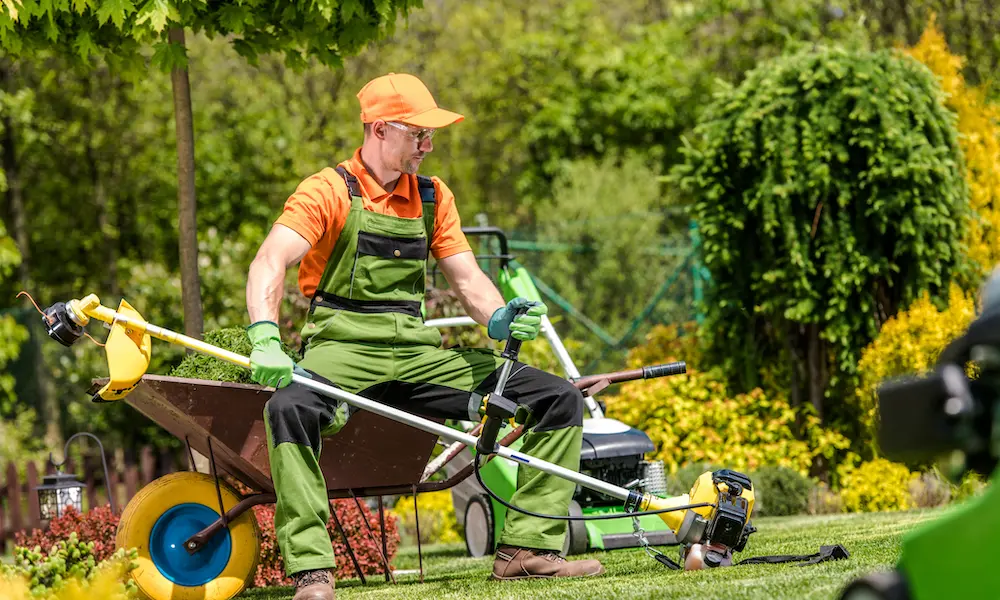
Choosing whipper snipper gear for your landscaping in Australia requires focus. For example, standard nylon line heads rotate and hold nylon cord—they handle most everyday edging and grass trimming without fuss. That said, the variation within this one category is worth paying close attention to: bump-feed heads release fresh line with a tap on the ground, fixed-line heads need manual threading but hold up better under heavy use, and speed-feed heads let you reload in seconds without pulling the whole thing apart.
Additionally, for typical suburban yards running buffalo, kikuyu, or couch grass, a good bump-feed or speed-feed head does the job well. And the attention to detail doesn’t stop there; for this one category, for example, line gauge matters too: thicker cord (2.4 mm to 3.3 mm) powers through coarser grass and light weeds, while finer gauges (1.6 mm to 2.0 mm) suit neatly kept turf where a precise finish counts for more than brute cutting force.
This guide covers the attachment types, compatibility factors, and practical accessories that matter most for Australian landscapers, hobbyists, or professionals.
Types of Whipper Snipper Attachments That Actually Matter
The attachment market has grown well beyond the standard bump-feed line most machines ship with, and that’s where the real decisions begin.
If you spend any time researching, you’ll find whipper snipper attachments online here in a range of styles – from standard round-line heads to multi-blade brush cutters built for heavy scrub clearing.
The variety can feel overwhelming, so it helps to think in categories: line-cutting heads for grass, blade attachments for woody growth and dense weeds, and specialty heads for tasks like edging, cultivation, or mulching. Each category covers a different range of jobs, and buying the wrong one for your terrain wastes time and money.
Most Australian users running a medium-duty straight-shaft machine will want at least two head types on hand, one for regular trimming and one for tougher seasonal clearing. Understanding the differences before you buy saves you the frustration of discovering a nylon-line head can’t cut through regrowth along your fence line after summer.
Trimmer Line Heads vs. Blade Attachments
Australian gardens don’t stay tidy on their own. Couch grass creeps into beds, kikuyu pushes along path edges, and rural blocks throw up rough terrain that a bare whipper snipper head can’t handle well. The right attachments and accessories separate a clean, professional result from a job that chews through line every five minutes.
Choosing whipper snipper attachments and accessories for landscaping in Australia starts with understanding what each head type does, what your machine can genuinely handle, and what local conditions demand.
Australian soil types, native grass species, and climate zones all shape which cutting head performs well on a given block. Trimming a neat suburban lawn calls for a very different setup than clearing a paddock or maintaining a commercial site.
Blade attachments are a different story. Three-tooth brush-cutter blades handle tough weeds, blackberry canes, and light scrub that would shred nylon line in seconds. Eight-tooth and forty-tooth blades handle thicker woody regrowth.
In rural and semi-rural Australian contexts, think hobby farms, bushfire-risk zones, and acreage blocks; a good blade attachment earns its place every summer.
Don’t run a blade on a curved-shaft machine unless the manufacturer explicitly approves it; the torque load and blade proximity create serious safety risks that straight-shaft machines are engineered to handle.
Specialty Heads for Edging and Cultivating
Beyond standard line and blade options, a few specialty attachments solve specific landscaping problems worth knowing about.
Edging heads tilt the cutting plane vertically, letting you run a clean, sharp line along driveways, paths, and garden bed borders without reaching for a separate edger.
On a tidy suburban block, that one attachment replaces an entire extra tool. Cultivator attachments—tines that swap in where the cutting head was—let you break up surface soil around garden beds for planting or mulch prep, so you don’t have to walk back to the shed for another machine.
Split-shaft machines with interchangeable heads also support hedge trimmer and chainsaw bar attachments, though these suit landscaping professionals with multi-head units rather than homeowners with a single-purpose machine.
If you run a loop-handled, split-shaft brushcutter, these accessories turn one power unit into several tools, keeping both cost and storage requirements down. The catch is compatibility. Not every split-shaft machine accepts every brand’s head.
Check your machine’s drive-shaft diameter and coupling style before purchasing any specialty attachment, because the wrong coupling simply won’t engage.
Matching Accessories to Your Landscaping Conditions
Picking the right attachment type gets you only halfway there. The accessories you pair with it—safety guards, shoulder straps, ear protection, and line grade—determine how comfortable and practical the job becomes.
Australian sun, heat, and the growth habits of native grasses and introduced pasture species all push those choices in different directions.
Nylon line that performs reliably in temperate Victoria may break and tangle far more often under the heat stress of a Queensland summer, where harder line grades or co-polymer blends hold up better.
The weight and strap style of your machine also matter more over a long session than they do for a five-minute edge trim.
Shaft Type and Coupling Compatibility
Before you buy any attachment or accessory head, check your machine’s shaft type and outer diameter. Straight-shaft machines—the standard for commercial and semi-professional use across Australia—accept a much wider range of blade and head types than curved-shaft models do.
The driveshaft diameter is typically 7 mm or 9 mm, and the coupling style is either a square drive, hex drive, or bolt-on configuration. Mismatching these specs means an attachment physically won’t fit, or worse, fits loosely and causes vibration that chews through both the attachment and the machine’s drive assembly over time.
Australian manufacturers don’t always standardise specs across product lines, so check your machine’s manual before ordering. Universal adapter kits exist for common mismatches, but running an adapter with blade attachments on a high-torque brushcutter isn’t recommended.
Safety reasons alone make that a bad call. If you’re running a popular brand like Husqvarna, STIHL, or a Giantz unit, cross-reference the manufacturer’s recommended attachment list and stick to compatible heads.
For professional landscaping, where lost time costs real money, getting compatibility right from day one isn’t optional; it’s just good sense.
Protective Gear and Line Selection as Part of the Setup
Personal protective equipment isn’t optional for whipper snipper use in Australia, and the right accessories in this category are as important as the cutting head itself. At a minimum, you need:
- Safety glasses or a full-face visor rated for debris impact
- Hearing protection, because most two-stroke and four-stroke brushcutters exceed 85 dB at the operator’s ear
- Heavy-duty gloves and full-length pants or chaps—not shorts—to protect against flying debris and line-strike injuries
- Steel-capped boots on any site with uneven ground or heavy woody growth
Line selection deserves real thought, not just grabbing the cheapest roll off the shelf. Round profiles cut cleanly through soft grass but struggle with thick-stemmed weeds.
Square and star-profile lines produce more aggressive cutting edges and handle coarser vegetation with less trouble.
Co-polymer and titanium-blended lines resist breakage and last longer in hot, dry conditions, a real advantage through a long Australian summer.
Buy line in bulk rolls rather than pre-wound spools; it’s cheaper per metre, and since the Australian sun degrades stored nylon quickly anyway, buying only what you’ll use within a season is the smarter move.
Conclusion
Choosing whipper snipper attachments and accessories for landscaping in AU comes down to matching the tool honestly to the job; don’t reach for the most aggressive blade on a suburban lawn, and don’t under-equip for a rural block choked with blackberry and coarse pasture grass.
Start with your shaft type and coupling specs, then choose a cutting head based on the vegetation you’re actually facing.
Layer in the right line gauge, proper protective gear, and a strap that keeps long sessions manageable.
Get those things right, and you’ll have a setup that works efficiently, stays safe to run, and keeps your landscaping sharp through every season.