Renovation
Expand Your Living Into The Basement
Size doesn’t always matter, or at least not initially. However, over time, homeowners who have settled for less space soon start wondering if they’ve made a mistake and may need to sell up.
According to this article, buying a home for its size is not among the top three priorities, which are location, price and a garden.
If you’re running out of space, consider what you may be able to do to the attic and basement. Can these rooms become liveable spaces for your family?
Converting the basement into a usable room is much cheaper than renovating the attic. In this blog post, we look at how to use your basement as a workable solution to creating a new living area. The basement is a more obvious room to work with due to its accessibility and lower cost to renovate.
Open Plan Design
The first tip is to opt for an open-plan design in the basement. Rather than creating several small rooms that can make a below-ground area feel dark, disjointed, and closed in, use interior design to create spaces within one open-plan area.
Use Interior Design, Natural Light & Air
Interior design tricks can cleverly create zones or spaces in a room by using shelves, rugs, and furniture without the need for walls. For furniture, use a smaller-than-usual size and, ideally, go for a Nordic theme with thin legs for sofas, tables, and chairs.
Basements are often overlooked as liveable areas due to their dark, cold, and often damp environs.
Moisture that can not escape as easily below ground level can hang around the basement, but there are solutions to dehumidifying the space so it’s drier and warmer. Basements are also notorious for their lack of natural light, which can really affect how you use the space.
If you can add windows for light and fresh air, do it. If not, a clever way to get natural light into the basement area is to extend it beyond the property’s existing footprint and then add a ceiling skylight, which could also become a feature in your garden.
Natural light changes the perception of the room, and adding an HVAC can draw in clean, warm air. Get an air conditioning unit that also has a dehumidifier feature to remove excessive moisture from the air before switching to a heating mode.
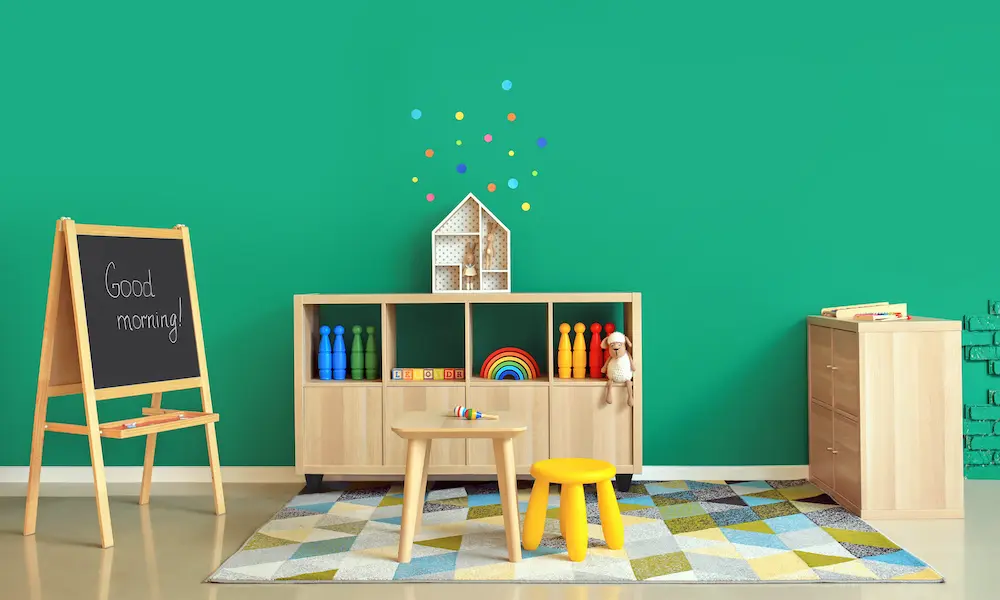
Once you’ve improved the air quality and light, you’ll have options for how you use the room. For example, you may be keen to designing a playroom space for your children or an adult hangout. You’ll want to start with the color palette.
Light and Bright Colors
If the room is on the small side, it will seem more significant when it’s a shade of white, or if white doesn’t work for you, use a light, bright shade of yellow. The room will seem uncluttered, even with furniture, open and cheerful.
The stairwell into the basement should be broad and light, and ideally modern in design without using uprights behind each step. This will also make the room appear spacious.
Flooring
Flooring can add warmth; however, if the basement is likely to be a high-traffic zone, i.e., it may be used for children’s games, then you want to pick a flooring type that can really withstand all that wear and tear. There are many types of flooring materials, including tiles, laminate, hardwood floors, carpeting, and resins.
Work with the Professionals
The final tip is easily the most important: to work with professionals. Tradespeople trained in various home renovation and design areas, like Home Pro, have the inside knowledge and experience of drawing up a plan, choosing and sourcing materials, and tradespeople required to complete the task. Plus, you’ll finish your renovation within a realistic timeline.
Now that the basement is sorted, are you ready to get started on the attic?