Build
How To Stop Home Build Budget Blowout
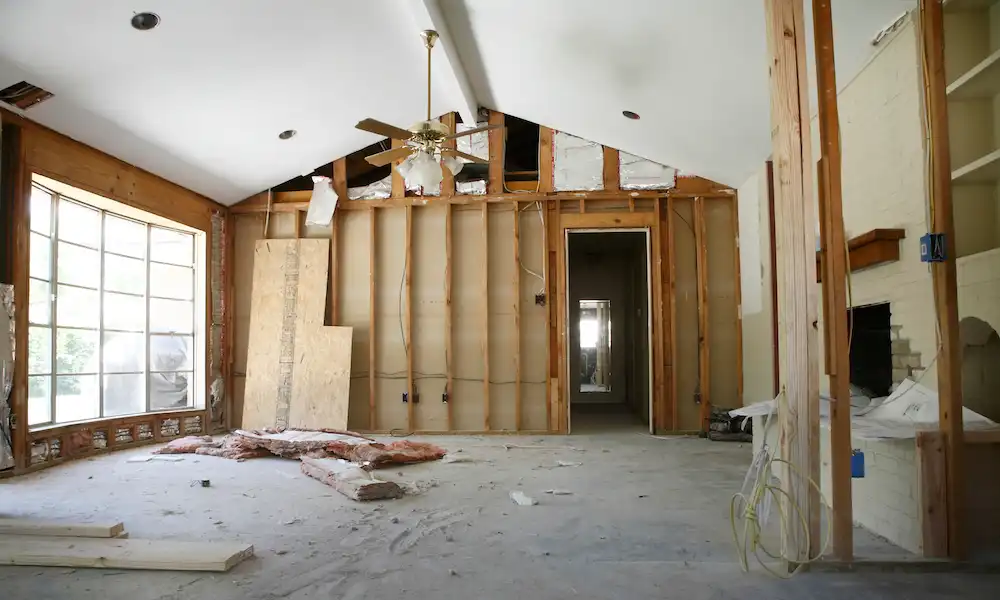
Staying within budget is harder than you think, and with 58% of homeowners blowing their build or renovation budget, it pays to plan carefully and set aside a contingency fund for unexpected expenses.
Building a property with everything you need is on many homeowners’ bucket lists. However, it’s a lengthy and risky process not for the faint-hearted. Nonetheless, with careful planning and budgeting, you can build the home of your dreams at a manageable cost, i.e., within budget and time.
Here are some tips to keep costs manageable, to avoid a budget blowout, and manage the build duration.
Choose The Right Site
You are starting with the construction of the home. Look past the surface, and you may find that a site’s location or composition presents specific challenges that can inflate costs and lengthen the build duration. Therefore, the location of your home will serve as the starting point for the new build process.
Avoid choosing a site for your home because you’ve fallen in love with the view or the size. There’s more to it: most of the cost of building a residential property goes into construction.
Site location and assessment, as well as the composition of the ground on which the home will reside, can vary dramatically, and with it, the investment required. So many people want to get away from it all, far away from urbanization, and this has made an impossible builds TV show very popular.
Impossible Builds
Impossible Builds is a UK TV show documenting homeowners’ quests to build new homes in remote or challenging areas. Today, with technology, we can construct living spaces almost anywhere. However, there is always a trade-off between spectacular views and privacy, and it’s a combination of time and money.
Any home-building site requiring engineering ingenuity will require more of your budget; hence, the importance of researching the site’s suitability and the construction costs before you commit.
Once the site purchase is complete, there’s little you can do to mitigate either the investment or the time of the build. Your compromise may be a smaller home to meet your budget. Thus, proper budget management stems from choosing the right site.
Start with the Architect or The Builder?
Most homeowners believe that once the site has been purchased, an architect should design the home.
Architects love designing nice-looking buildings. If you go to them with a blank canvas, expect a fantastic architectural plan that’s likely to break your budget. Additionally, be aware that each revision to the plans will increase the cost. Is going to an architect the best starting point?
Approaching your preferred builder may be a better move. You can get a good idea from the builder what can be built and at what price. Once you know the cost per square metre, you have a reasonable understanding of a budget and what you can add or remove to ensure your build is affordable.
Then, you can meet with your architect to create a plan that works for you and your builder.
It is not uncommon for builders to say they can not build what’s on the plans, so getting the okay from your builder while the architect is making the plans will save time and money.
Choose a Builder with a Proven Track Record
Accuracy is everything in budget management. When you’re selecting a builder, if they know it is a competitive bidding situation, they will likely underquote. You don’t want your builder providing inaccurate quotes (especially when these are on the low end), as it can quickly lead to a budget blowout.
With that in mind, choose a builder with a track record of similar self-build projects. Ask to see previous examples of work carried out and, where possible, speak to their previous clients.
Contingency Budget
There are always unforeseen costs in construction; therefore, make sure you allow for them with a slush fund.
Do your research on home building and determine what extras you need to cover, as the norm is to spend more than you have for the build. ‘Scope creep‘ will happen with tweaks here and there, and they will all add up, changing the layout or materials, or leading to better-quality cabinetry or appliances.
All these changes add up, and before you know it, the build has taken longer and cost much more than your budget.
Summary
Managing a home build is stressful, but it is easier when you do extensive preparation before construction. Remember, stress is always lessened when you’re in control, so work on what you can control from the outset. Do your research and take your time. When you’re prepared, you can enjoy the building process and get the home you want.