Investment
Strategies for Pet-Proofing Your Rentals
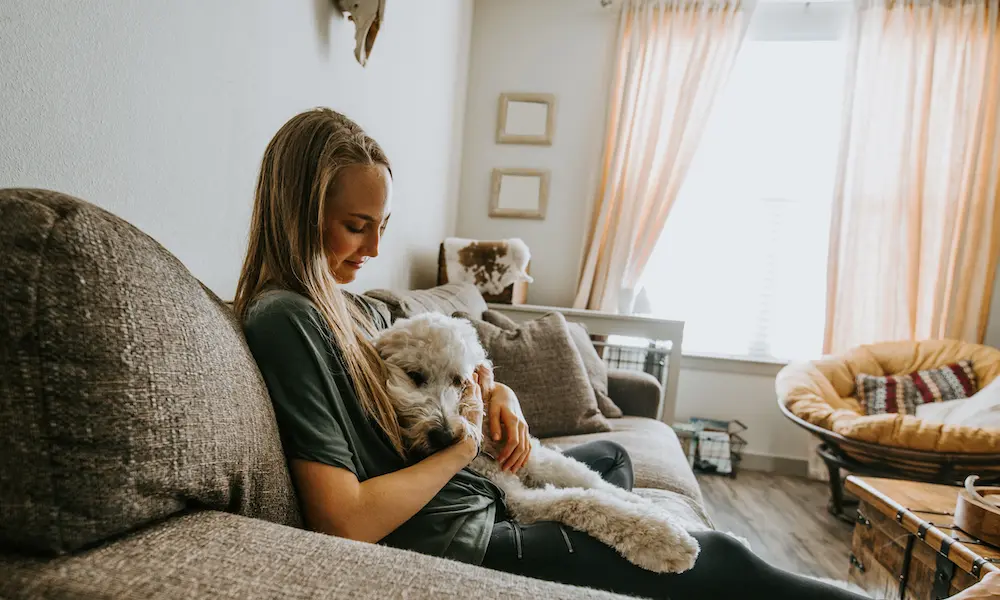
Did you know that renting your investment property to tenants with pets can increase your occupancy rates and rental income?
Responsible pet owners can be excellent tenants. They often take good care of the property to ensure it remains pet-friendly and available to them.
However, not all landlords want pets in their rentals, and it’s easy to sympathize with them. Pets accelerate wear and tear in their use areas, resulting in more maintenance, repairs, and replacements. Additionally, pets can cause significant damage, leading to costly repairs.
Putting that challenge aside, the American Pet Products Association states that 66% of US households own a pet. Many pet owners need a place to live, and they make up a substantial percentage of the rental market.
In New Zealand, 64% of households have a pet. The British love their animals, and their pet ownership per household is around 57%. Australians take the top spot, with 69% of households having at least one pet. (New Zealand’s unbreakable bond with pets: Insights from the latest Companion Animals NZ Report, 2025)
Wherever your rentals are located, our tips will help you pet-proof them to ensure they remain in excellent condition, no matter who lives in them.
Practical Pet-Proofing Strategies
Implementing pet-proofing strategies is a smart way to mitigate wear and tear, safeguard your investment, and maintain tenant satisfaction.
Invest In Durable Flooring Options
Investing in durable flooring is a crucial step in pet-proofing your rental property. Pets, particularly dogs and cats, can cause significant wear and tear on floors, especially on wood or carpet. Scratches, scuff marks, rips, and tears show up quickly when pets run around.
LVP
To avoid these issues, you can consider installing Luxury Vinyl Planks (LVP), which are scratch-resistant, waterproof, and relatively easy to replace in damaged areas.
While LVP may initially cost more than carpet, it often proves more economical in the long run, breaking even after approximately two tenant turnovers due to its durability and lower maintenance requirements.
You can lay this type of flooring over it. Alternatively, you can opt for tile that is durable and easy to clean or stained concrete that is highly durable and resistant to scratches.
Use Adequate Wall Protection
Even if animals don’t scratch walls, they will rub against them, leaving undesirable marks. Fortunately, there are many ways to limit damage and pet-proof your walls, ensuring they are easy to clean and always look fresh.
- Use semi-gloss or satin paint: These finishes are easier to clean than matte paint. Many of these paints are also 100% washable, making them easier to wipe down without leaving lasting marks.
- Install wainscoting or chair rails: These protective features can safeguard walls from damage at pet height by helping keep pets from rubbing against the wall.
- Consider washable wallpaper: it provides an extra layer of protection and is easy to clean. It’s also applied in strips, so you can replace a strip without redoing a whole wall.
Focus on Pet-Friendly Landscaping
Outdoor spaces can also suffer from pet-related damage, making a property look unkempt or undesirable. You can prevent this by implementing pet-friendly landscaping techniques, such as planting pet-resistant, non-toxic plants that are more resilient to walking or climbing over.
You can also set up designated areas for pets to do their business. For example, you can use materials like pea gravel or artificial turf to create sections of the garden that are easier to clean and maintain.
Lastly, ensure fences are secure and high enough to prevent pets from escaping, as this will provide peace of mind for your tenants and their neighbors.
Request Regular Inspections and Maintenance
To ensure your property stays in tip-top condition, your property manager should conduct regular inspections to help you identify and address pet-related damage early. This proactive approach can prevent minor issues from becoming major problems and keep your tenants happy.
Encourage tenants to report any damage immediately so you can provide the necessary maintenance. If they feel comfortable telling you about an issue, you can act quickly and limit any adverse long-term effects.
Assistance Animals and Legal Compliance
In the US, the Fair Housing Act covers assistance animals and service dogs. Assistance animals provide assistance, perform tasks for people with disabilities, or offer emotional support. The Act ensures that landlords cannot discriminate against these pet owners. However, you can create policies in line with these laws that also protect your property.
To comply with the Fair Housing Act, landlords should ensure that they request documentation from a health professional to verify the need for an assistance animal if the disability is not obvious. It is important not to require pet fees or deposits for assistance animals, as these are considered reasonable accommodations under the Act. Keeping accurate records of such requests and any related accommodations is crucial to demonstrate compliance if issues arise.
Create Clear Pet Policies
While remaining compliant with these laws, you can create policies in line with them that also protect your property. Establishing clear pet policies is essential for managing expectations and responsibilities and ensuring tenants understand their requirements.
Your pet policies should outline:
- Pet types and sizes allowed: Specify any breed restrictions or weight limits.
- Number of pets: Limit the number of pets per household to prevent overcrowding and excessive wear and tear.
- Pet deposits and fees: A refundable pet deposit and a non-refundable pet fee are charged to cover potential damages and additional cleaning costs.
Summing Up
Providing pet-friendly accommodation can provide significant benefits, including tenant retention. However, you must take proactive steps to protect your rentals, or tapping into this market will cost you more than you earn.
Key Action Steps to Pet-Proof Your Rental
To help you succeed, here are the key action steps to consider:
- Install durable flooring like Luxury Vinyl Planks to minimize wear and tear
- Use semi-gloss or satin paints for easy wall maintenance
- Implement pet-friendly landscaping with non-toxic plants and secure fencing
- Establish clear and compliant pet policies, detailing pet types, sizes, and applicable fees
- Conduct regular inspections and maintenance to catch and address issues early.
You can effectively manage pet-related challenges while safeguarding your investment and ensuring tenant satisfaction.