Management
Detecting Leaks Using Thermal Imaging Technology
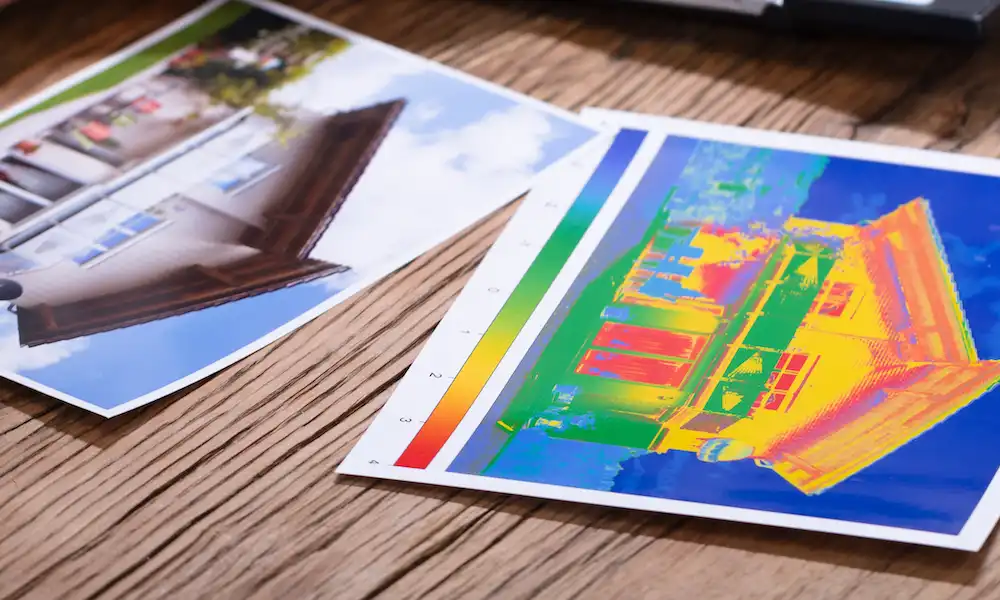
Thanks to thermal imaging leak detection technology, homeowners can sigh in relief knowing that leaks around their homes can be detected early.
Generally, energy losses and leaks in underground pipes, building insulation, or electrical systems go unnoticed until they become apparent.
Unfortunately, by the time the leak became visible, it had already caused significant damage. With leaks, time is of the essence, and every second matters. This property blog post examines the advantages of utilizing thermal imaging for leak detection, particularly for homeowners and property managers.
Thermal Imaging Technology
Thermal imaging leak detection specialists are trained to use thermographic cameras. Your everyday tradespeople, such as plumbers, are now using thermal imaging as the best method for early leak detection.
How thermal imaging works for leak detection
Thermal imaging is a non-invasive method for leak detection that can quickly and reliably identify the source of any leak.
The process of leak detection using thermal imaging is relatively straightforward. When a leak occurs in the water system, the temperature of the escaping water changes slightly.
A thermal imaging camera can detect temperature variations caused by leaks, which appear as distinctive patterns on the thermal image. This helps the operator identify the exact location of the leak with confidence and precision.
Leak detection is better left to the experts.
When water is gushing through the wall, finding the source of the leak is usually straightforward. However, some leaks can go unnoticed for months, if not longer, especially when they are small but persistent.
You might be forgiven for thinking that your plumber can always detect leaks; however, that’s not always the case. For example, thermal imaging cameras detect leaks in heating systems. While a plumber will undoubtedly fix the leak, detecting the source is now a job for thermographic imaging experts.
Various methods, including tracer gas systems and thermographic cameras, can be used to detect leaks. However, this equipment requires a significant investment, which may not be feasible for plumbers.
Additionally, using a tracer gas methodology to identify the source of any leak requires extensive training and specific health and safety procedures, which may not be economically viable for a plumbing company that uses the technology only a couple of times a year.
When to use leak detection experts
Homebuyers should consider using leak detection experts during property inspections to help identify potential leaks.
Buying a property is a significant investment, and undetected leaks are among the most common issues new homeowners discover. Leaks cause the most distress for new homeowners, with the most common problems being leaky toilets and pipes.
If there is a noticeable increase in water usage but the tenants say they are not using more water than usual, that could be a sign of a leak.
A general property inspection won’t give you the peace of mind you can get with a detailed leak detection report provided by a leak detection specialist using thermographic cameras.
Landlords and property managers
Landlords managing their own properties and property managers can also benefit from having a leak detection specialist company on their contact list. Time is money, and rental property owners want to ensure their homes are fit for use 52 weeks of the year.
Minimizing damage and potential loss of rental income from a leak is one of the key advantages for property managers and landlords to use specialists for leak detection. Other benefits for homeowners include the following.
- Technology that can scan large areas without physical contact and detect leaks that may go unnoticed
- Experts trained in leak detection in roofs, insulation, HVACs, and other heating systems and plumbing.
- Reports and documentation suitable for insurance claims, repairs, and replacement
- Regular inspections for Landlord health and safety compliance
Landlords must adhere to health and safety rules, a core component of which is ensuring their rental properties meet the standards of the Housing Health and Safety Rating System (HHSRS). This means no mould or dampness. One source of both mould and high moisture levels in the air is leaks.
However, early leak detection is possible through regular inspections that use leak-detection technology. Landlords should consider inspections an investment because they are tax-deductible and can serve as insurance.
Summing Up
Early detection of leaks saves money on costly repairs. Using thermal imaging is non-invasive and highly accurate. Your specialist is likely to use the imaging with a moisture meter for a precise measurement.
Homebuyers can opt for a leak detection inspection before purchasing a property for added peace of mind.
Landlords and property managers can also benefit from regular inspections to ensure their assets are fit for purpose and comply with the health and safety compliance requirements.