Trends
Obliterate Clutter From Home & Garden, Permanently

Do you ever feel like you are fighting a losing battle with the clutter in your home?
You can spend days at a time every month finding homes for things, tidying up the mess, and stuffing possessions into full cupboards and still feel like you have mountains of work to get through. And by the time you finish, you step out into the garden and realise that because you have been spending so much time tidying indoors, the backyard now looks like a jungle. Will it ever end?
Well, the good news is that clutter is a state of mind, if anything. And you can do plenty of things to try and make significant changes to your lifestyle that will help.
In today’s guide, we’ll examine everything you need to know about decluttering your home once and for all and giving yourself time to enjoy it rather than feel stressed about it. Let’s start right away with some of the absolute essentials of a clutter-free home.
The Mindset
A cluttered home leads to an untidy mind when it boils down to it. So it’s no surprise that constantly fighting against mess and mayhem can make you feel like life is full of chaos and mayhem, too.
The main thing to remember is that you have to focus on changing your mindset. Think about how much time you will save by implementing better systems that will simplify and improve your life significantly.
Decluttering your home will help you keep it cleaner and more hygienic, too, which will ultimately lead to a healthier life for you and your family.
Cluttered cupboards or under every pile of magazines and paperwork could contain bacteria, mould, rot, and anything else that could harm your health. So change your mindset first, and once you have decluttered, keep your home and garden like that for good.
How, exactly, are you going to do this? Let’s take a look at some of the best solutions to your problem.
The big clean-out
Many of us are guilty of hoarding things for years on end. But the truth is that if you haven’t used a particular item for six months to a year, will you ever use it again?
Ask yourself serious questions about each item’s usefulness, and make tough decisions to lose everything you don’t need.
Doing toy culls with your kids is another good idea – perhaps you could teach them the trait of kindness by explaining that some of their old toys might find a better home with children who are, possibly, less fortunate than themselves.
Another thing to think about is selling things you don’t need. You could advertise sellable products on eBay or your local Free Ads or perhaps have a car boot or yard sale. And don’t forget, charities always seek good-quality products to raise money for severe conditions and causes.
Everything you remove from the home will significantly reduce your clutter problem and help you simplify everything, from cleaning to storage.
Finding the proper storage issues
If everything in your home has somewhere to live, cleaning and decluttering are much more manageable tasks. Invest in clever storage solutions that meet your needs, and you will never have tidiness problems again.
If items still won’t fit but you foresee using them at some point, seek external storage solutions. Maybe you could use your garage as a storage hut or look at services that can sell you storage in a secure location.
To grasp the costs involved, the http://www.hollywoodselfstorageaugusta.com/storage-rates/ website has obvious explanations and a broad range of storage sizes you could use. You can also be clever about the storage you use.
Make better use of little cubby holes or spaces under the stairs. Invest in under-bed storage, too. Think about installing built-in wardrobes that could be shared by two different conjoining rooms.
Ultimately, the idea is to make sure that every single item in your home has a place to live, which, over time, you will develop a second nature for finding and putting away with a lot more ease than you do right now.
Think about safety
Mess and clutter aren’t just health hazards due to bacteria and dirt buildup. They also pose massive security issues. If you are a family raising young children or maybe even elderly parents, if there is clutter everywhere, there are chances of slips, trips, and falls.
There’s an excellent reason why employers are under strict orders to follow national regulations about messy workplaces—and it’s nothing to do with presentation—it’s a legal necessity for companies to provide a hazard-free, safe workspace. Given more accidents in the home than anywhere else, it’s time to do something about the sloppy mess that clutters up your house.
So, if you don’t have the space to put things away in an orderly manner, it might be time to prepare for a junk removal service. Yes, you heard correctly it’s time to ditch some junk. You also need to realise that the more junk you have lying around, the more your home will be a fire hazard.
A rogue spark or flame from a cooker or a wayward cigarette ash could easily land on dry paper or other flammable material, and the consequences would be as severe as they could be.
Rubbish and mess in your backyard or garden – which we will look into next – is also a massive issue. A spark from a neighbour’s bonfire or a lit cigarette blowing in from the road can cause a fire much more often than you might think. And if there is a thunderstorm in your area, all it takes is for lightning to strike the wrong area of your garden for a severe fire to start.
Ultimately, the simple truth is that a clean, uncluttered home and garden are undoubtedly safe. You could even get some new greenhouse glass and move your plants into it. See here for more information about replacement glass.
The garden
As we saw above, a messy and cluttered garden can cause all kinds of safety hazards—not to mention health risks. But at the end of the day, a clean and tidy garden is a much more excellent experience for homeowners who want to sit out and take a relaxing break from a busy lifestyle.
You can do a few things to ensure your garden is always in good shape—even if you are too busy to garden.
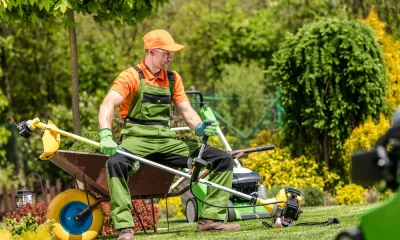
Remove debris after every season and add it to your compost or mulch pile. Check your garden borders for holes in fences, bushes, or shrubs and fix or replace them. Invest in a shed, too—it’s the easiest (and driest) place to keep garden tools and any outside toys your kids use. It’s also a good idea to get your children to develop the habit of cleaning up after they have been outside playing.
Show them the difference between one of their plastic toys that has faded because of being left out in the sun and one that remains full of colour because they have been left in the shed. The chances are this will be all they need to kickstart their interest in caring for their favourite toys!
The home office
If you work from home, a cluttered room is probably your worst nightmare, but it is also something you put up with. But there is no need for it to be a problem. In many houses, the home office is out of sight of the average visitor, so it often ends up being a dumping ground for those last-minute tidy-ups before guests arrive.
With the extra storage you have in your home now, this shouldn’t be too much of a problem.
Think about redesigning your office space, too. Invest in shelves and small units to keep all your important documents out of the way of inquisitive little children. Again, try to have enough storage for every single item in the office. It’s also a good idea to start filing your correspondence away properly.
Label everything so it is easy to find at a moment’s notice – use colour coding, perhaps.
Go paperless
Finally, are you tired of moving important letters and correspondence from surface to surface every time you clean up? If so, request that all your bills and invoices be sent electronically rather than by paper. You will often find that utility companies will give you a discount if you go paperless, so there will be cost savings and a tidier home.
Any more suggestions? Feel free to share them in the comments section below!