
Renovation
Interior vs. Exterior Paint: Key Differences Property Owners Should Understand
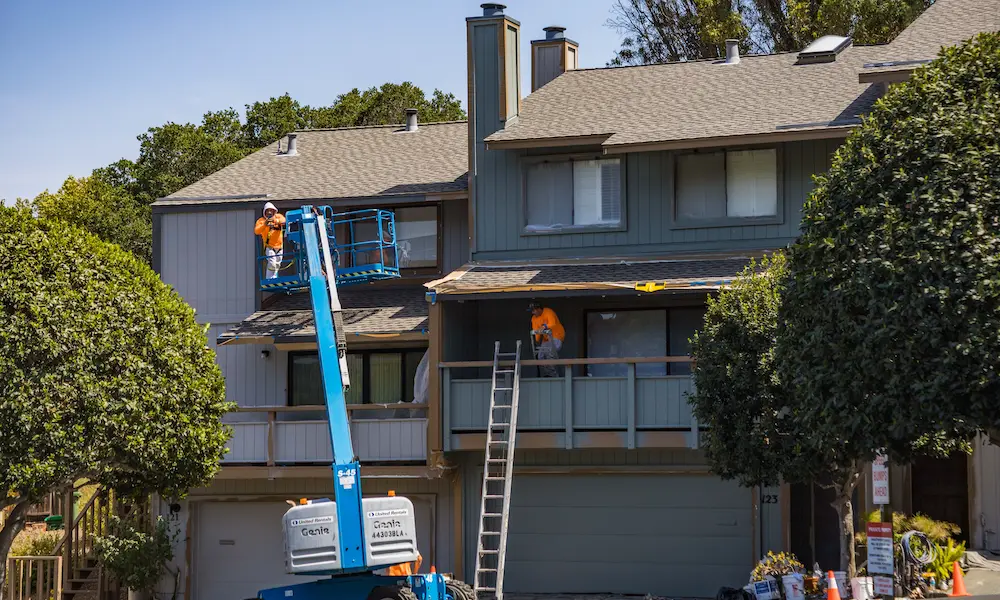
Paint does more than change a property’s appearance. It helps maintain surfaces, protects building materials, and contributes to the overall impression a home makes on residents, visitors, and potential buyers. However, not all paint products are designed to perform under the same conditions.
Choosing between interior and exterior paint requires an understanding of their formulations, durability, maintenance requirements, and intended applications.
For homeowners and real estate professionals, this distinction matters when planning renovations, preparing a property for sale, or maintaining an investment property.
The wrong product can lead to premature deterioration, higher maintenance costs, and an inconsistent finish.
8 Key Differences: Interior and Exterior Paint
While interior and exterior paints may appear similar on a color chart, their differences become apparent once they are exposed to the environments they are designed for. Understanding these differences can help property owners make informed decisions and get better long-term results from their painting projects.
1. Paint Formulation and Intended Application
The primary difference between interior and exterior paint lies in their chemical formulations and intended applications.
Interior paint is developed for enclosed spaces, where surfaces are generally protected from direct sunlight, rain, and extreme temperature changes. Its formulation prioritizes appearance, cleanability, stain resistance, and suitability for frequently occupied areas. Depending on the product, it may also resist scuff marks, moisture, and everyday household wear.
Exterior paint serves a different purpose. It must protect building surfaces against environmental exposure, including ultraviolet (UV) radiation, rainfall, humidity, wind, and temperature fluctuations. Its formulation typically includes additives and binders designed to improve adhesion, flexibility, and resistance to weather-related deterioration.
These differences explain why paint should always be selected according to the surface and environment rather than color preference alone.
2. Durability and Resistance to Environmental Conditions
Durability is an important consideration when comparing the two products.
Inside a property, painted walls are more likely to experience fingerprints, furniture marks, accidental spills, and regular cleaning. A quality interior paint should maintain its appearance despite these everyday activities. Washability and resistance to repeated cleaning are particularly valuable in kitchens, hallways, bathrooms, and other high-traffic spaces.
Exterior surfaces experience a broader range of stresses. Sun exposure can gradually break down paint films and cause colors to fade. Moisture can contribute to blistering, peeling, or other coating failures, particularly when the underlying surface has not been properly prepared. Seasonal temperature changes can also cause building materials to expand and contract.
Exterior paint is formulated to handle these conditions more effectively. However, product selection still matters. Wood siding, masonry, metal railings, and previously painted surfaces may require different coating systems.
For example, a homeowner renovating an older property in New Haven County may notice that the south-facing siding has faded more quickly than the shaded sections. Simply applying another coat of standard interior paint would not address the problem. An exterior-rated coating selected for the siding material, combined with proper preparation, is a more appropriate solution.
3. Paint Finishes and Their Practical Uses
Paint finishes affect more than the appearance of a room or building. They also influence how surfaces reflect light, conceal imperfections, and respond to cleaning.
Common interior finishes include:
- Flat or matte: Produces little reflection and helps minimize the appearance of minor wall imperfections. It is often used on ceilings and low-traffic walls.
- Eggshell: Offers a subtle sheen and suits bedrooms, living rooms, and other general residential spaces.
- Satin: Provides a smoother, slightly reflective surface that is easier to clean, making it useful for hallways and frequently used rooms.
- Semi-gloss: Offers greater reflectivity and durability, making it a practical choice for selected trim, doors, and cabinets.
- Gloss: Creates a highly reflective appearance and is typically reserved for specific decorative features and surfaces.
Exterior paint is also available in several finishes, including flat, satin, and semi-gloss. The best option depends on the material, desired appearance, and product specifications. For instance, a satin finish may suit certain siding applications, while semi-gloss can be used on exterior doors and trim.
Rather than choosing a finish based entirely on appearance, property owners should consider the surface’s condition, exposure, and maintenance requirements.
4. VOC Levels, Odor, and Indoor Air Quality
Another important consideration is the presence of volatile organic compounds, commonly known as VOCs. These chemicals can be released as gases from certain products, including paints, varnishes, and solvents.
According to the U.S. Environmental Protection Agency (EPA), studies have found that concentrations of several common organic pollutants average approximately two to five times higher indoors than outdoors. This is an important consideration when selecting products for occupied residential spaces.
Interior paints are widely available in low-VOC and zero-VOC formulations, which can help reduce emissions during and after application. However, low-VOC labeling should not automatically be treated as a guarantee that a product is entirely free of potentially harmful substances. Checking product specifications and following application instructions remain important.
Exterior paints may have different formulation requirements because they are designed for outdoor exposure. Their suitability for indoor applications should never be assumed.
Homeowners should also consider ventilation, drying instructions, and the manufacturer’s safety recommendations when scheduling a painting project.
5. Why Interior and Exterior Paint Should Not Be Interchanged
Using interior paint outside may seem like a convenient way to use leftover materials, but it can create problems over time.
Interior coatings are not generally formulated to withstand prolonged exposure to sunlight, rain, and changing temperatures. When used outdoors, they may lose their appearance, develop cracks, or peel as environmental conditions affect the coating.
Likewise, exterior paint is not automatically appropriate for indoor walls. Its formulation may not be suitable for enclosed living spaces, especially regarding VOC emissions, odor, and the specific requirements of occupied interiors.
Some products are formulated for multiple applications, but use them only when the manufacturer explicitly identifies the intended surfaces and environments.
The most practical approach is to purchase products based on the project’s requirements rather than trying to make one type of paint serve two different purposes.
6. Surface Preparation and Application Requirements
Even high-quality paint can produce disappointing results when applied to an inadequately prepared surface.
Interior painting generally involves cleaning walls, filling holes, sanding uneven areas, protecting floors and furniture, and applying primer where necessary. These steps help create a consistent surface and improve paint adhesion.
Exterior painting usually involves more extensive preparation because outdoor surfaces accumulate dirt, mildew, loose coatings, and environmental residue. Depending on the property’s condition, the process may include:
- Washing exterior walls and allowing them to dry properly.
- Scraping loose or peeling paint.
- Sanding rough or damaged areas.
- Repairing deteriorated wood or other surface materials.
- Sealing gaps and joints with appropriate exterior caulk.
- Applying a compatible primer before the finish coats.
Weather conditions also influence exterior painting schedules. Temperature, humidity, rainfall, and surface moisture can affect how paint adheres and cures. Following the product manufacturer’s recommended application conditions is essential.
For older properties, identifying the source of peeling or moisture damage before repainting is particularly important. Covering a recurring problem with another layer of paint may only postpone more extensive repairs.
7. The Importance of Exterior Painting for Property Value and Presentation
For property owners considering resale, exterior painting is not simply a cosmetic decision. The condition of a property’s exterior contributes to its presentation and can influence how prospective buyers perceive its overall maintenance.
The National Association of REALTORS® 2023 Remodeling Impact Report: Outdoor Features found that 97% of surveyed REALTORS® believed curb appeal was important in attracting a buyer. Additionally, 92% reported recommending curb appeal improvements to sellers before listing their homes.
Although these figures cover curb appeal more broadly rather than painting alone, they demonstrate why maintaining a property’s visible condition deserves attention.
Fresh, well-maintained exterior paint can make siding, trim, doors, and other architectural features look more presentable. It can also help protect suitable surfaces from environmental wear when the correct coating system is used.
For homeowners planning to sell, this improvement may help create a stronger first impression. For landlords and property investors, regular exterior maintenance can support the property’s overall condition and reduce the likelihood of neglect-related deterioration.
8. When to Work With Professional Exterior Painters
Exterior painting involves more than selecting a color and applying a few coats. It requires an understanding of surface materials, coating compatibility, preparation techniques, and suitable weather conditions.
Professional painters can assess the condition of exterior surfaces, identify areas needing repair, recommend appropriate products, and apply coatings more consistently.
For property owners seeking skilled exterior painters in New Haven County, Kennedy Painting Pros provides exterior painting services focused on enhancing the look and protection of residential properties.
Whether the project involves refreshing faded siding, updating trim, or giving an older home a more contemporary appearance, careful preparation and thoughtful product choice can make a noticeable difference in the end result.
Summary
Interior and exterior paints serve different purposes, and understanding their differences is essential for making sound property maintenance decisions. Interior paint prioritizes appearance, cleanability, and suitability for occupied spaces, while exterior paint is formulated to withstand sunlight, moisture, temperature changes, and other environmental stresses.
The right choice also depends on the surface material, paint finish, VOC considerations, and preparation requirements. Using the wrong product or overlooking surface preparation can lead to unnecessary maintenance and premature coating failure.
For homeowners, landlords, and real estate professionals, considering painting as part of a property’s larger maintenance plan can help preserve its appearance and condition. For outdoor surfaces, hiring skilled exterior painters is a practical way to ensure the project gets the proper preparation, materials, and attention to detail.


