Build
Your Building Envelope Inspection Questions Answered
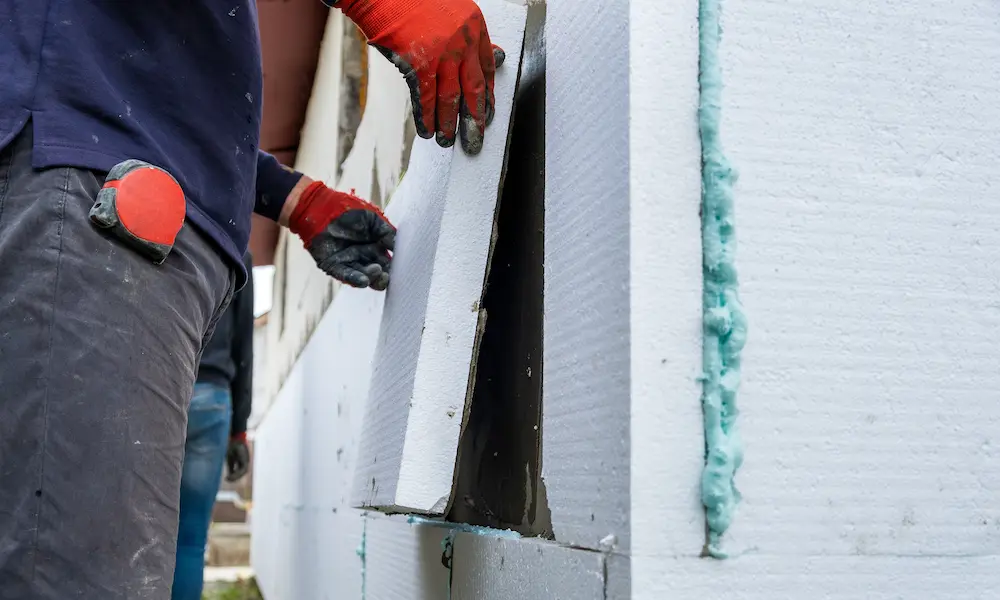
The building envelope is a comprehensive system of physical barriers that separates your property’s interior from the external environment. It includes roofs, exterior walls, windows, doors, foundations, and waterproofing membranes that work together to manage air, moisture, and heat movement.
If the building envelope works effectively, it preserves the structure’s integrity and ensures energy efficiency and occupant comfort.
This guide provides information from The Falcon Group, a full-service engineering and architectural consulting firm established in 1997 and serving more than 16,000 clients. The firm specializes in building envelope inspections, structural analysis, and compliance consulting for property and building owners.
The Financial and Structural Risks of a Poorly Maintained Envelope
Neglecting your building’s exterior can trigger a series of costly problems that extend beyond surface damage. “The building envelope protects against water, air, and structural deterioration,” says The Falcon Group. “When any component of that system fails, the consequences extend beyond the surface.” The firm emphasizes that “water infiltration, insulation issues and structural instability are downstream effects of unaddressed envelope problems.”
These defects will affect your property value and increase operating costs. A high-performing building envelope is foundational to achieving energy efficiency and security, protecting your property from environmental stressors while reducing utility expenses.
For example, when thermal barriers degrade, your heating and cooling systems work harder to compensate. This drives up energy consumption and accelerates equipment wear. Water infiltration can corrode structural elements, foster mold growth, and damage interior finishes. What begins as a minor issue can become a major expense.
What Should a Building Envelope Inspection Include?
A professional inspection evaluates how well your building’s exterior systems function to protect the building. Inspectors examine the condition, installation quality,lity and compliance status of every component separating conditioned interior space from the outdoors.
The Commissioning (BECx) Process
The Falcon Group follows building envelope commissioning (BECx), a “proactive quality assurance process that verifies your property’s exterior envelope is built to specification, from the walls and the roofs to the windows and waterproofing.”
This process establishes a verification protocol during construction or major renovation phases. It ensures that materials, installation methods, and system integration meet design intent before problems emerge. This reduces the likelihood of premature failures and costly retrofits.
Assessing Walls, Roofs and Foundations
Modern energy regulations impose specific, measurable requirements on envelope components that property managers must understand. For example, the residential section of the 2025 New York State Energy Conservation Code requires a permanent certificate detailing the R-values of insulation, U-factors of windows, and results from any air leakage testing performed.
During inspections, professionals evaluate whether your walls, roofing assemblies,s and foundation elements meet these prescriptive standards. These professionals look for continuity in insulation layers, proper flashing around penetrations,s and adequate vapor control to prevent condensation within wall cavities. Thermal imaging and blower door tests help identify air leakage pathways that undermine energy performance and comfort.
Identifying Common Points of Failure
Some building components are more susceptible to environmental stress and, therefore, require more focused inspection. According to The Falcon Group, “Parapets represent one of the most vulnerable components of building exteriors, subject to constant exposure to wind, rain, freeze-thaw cycles and temperature fluctuations.”
Window seals, roof membrane transitions, ns and below-grade waterproofing also rank among high-risk areas. Inspectors check these locations for cracks, water stains, drafts near windows, separations, deterioration, and improper detailing that could allow moisture to penetrate. Identifying these vulnerabilities early lets you schedule targeted repairs before minor defects become systemic failures.
Proactive Maintenance for Long-Term Resilience
Regular inspections help property managers shift maintenance from a reactive process to a deliberate asset-protection strategy. Those who adopt this strategy are better positioned to meet strict building energy codes, which drive national-level energy conservation.
Scheduled inspections let you budget for repairs strategically, addressing issues during planned maintenance windows rather than in emergency responses. This approach extends the service life of envelope components and preserves your building’s energy performance.
As the parapets are among the most vulnerable, The Falcon Group recommends inspecting parapet walls annually. These recommendations can turn into mandates, depending on your location. For example, New York City mandates yearly parapet wall inspections, and building owners must retain records of these inspections for at least six years if the Department of Buildings requests them.
In the end, your assets gain a long-term competitive advantage in markets where energy performance increasingly influences tenant decisions and property valuations.
Frequently Asked Questions
Common questions about building envelope inspections include:
What is a building envelope inspection, and why is it important?
A building envelope inspection is a systematic evaluation of all exterior components that separate your property’s interior from the outdoor environment.
It matters because envelope failures lead to water damage, energy waste, structural deterioration, and compromised occupant comfort. These problems can decrease property value and increase operating costs.
How often should an envelope inspection be conducted on a commercial property?
It depends on local regulations, but most commercial properties benefit from annual envelope inspections. Additional assessments should follow major weather events, such as hurricanes, severe storms, or heavy snow loads. Properties in harsh climates or older buildings may require more frequent evaluations to catch issues early.
What are the telltale signs of a failing building envelope?
Stains on the interior walls and ceilings, cold air coming from the windows, cracks in the masonry, damp or fogged windows, ice dams on the roof, and higher energy bills are all warning signs that something is wrong with your building’s envelope. If you suspect any of these issues, contact professionals to conduct an inspection as soon as possible.
Secure Your Asset With Expert Diligence
Your building envelope represents a critical asset-protection system that demands the same strategic attention you give to other major building systems. Regular inspections are a strategic investment in maintaining structural integrity, controlling operational costs,s and preserving tenant satisfaction. Proactive envelope management prevents failures while potentially improving your property’s long-term value and competitive position.