
Sell
Picture the Possibilities: How to Market an Empty House Without Empty Promises
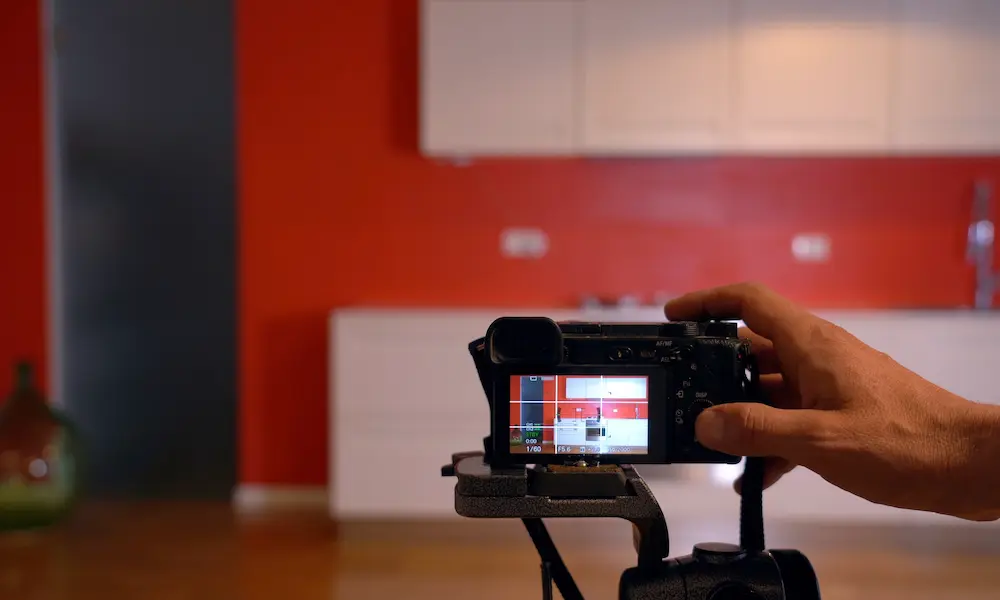
An empty house puts its features on full display. Buyers can see the floors, follow the walls, inspect the windows, and move through each room without furniture blocking their view. Yet all that openness can create a marketing challenge.
Without familiar objects to establish scale and purpose, a spacious living room may feel strangely small, an extra bedroom may seem unnecessary, and an unusual corner may leave people wondering what belongs there. (The Psychology of Home Staging: Why Buyers Perceive More Space, 2026)
How To Market An Empty Home
Marketing a vacant property requires helping buyers connect what they see with how they might live.
The opportunity is to make the home’s possibilities understandable through thoughtful photography, accurate information, and believable presentation. Done well, that approach gives an empty house warmth and direction while preserving the clarity buyers need to make decisions.
Find the Story Already in the Space
Before bringing in furniture or planning photographs, spend time looking at what the house actually offers.
Notice where daylight falls, how rooms connect, which windows frame appealing views, and where the layout supports daily routines. These observations provide the foundation for a marketing story rooted in the property itself.
A dining area beside patio doors might offer an appealing connection to outdoor meals. A bedroom set apart from the main living area could provide a useful place for focused work.
A broad entryway may accommodate a bench and storage without crowding the passage. Specific features create stronger possibilities than generic descriptions about unlimited potential.
Pay equal attention to limitations. A room with few outlets, limited ventilation, or an awkward entrance may need more consideration before you present it as a workspace or hobby area.
Identifying those constraints early helps keep the marketing practical. Buyers are more likely to appreciate an idea when they can see how it would comfortably work.
Prepare the House to Be Seen Clearly
Vacancy makes small maintenance issues stand out more. Scuffed baseboards, dusty vents, mismatched bulbs, and marks left by furniture can stand out when there is little else in the room. Careful preparation lets the property’s true features carry the presentation.
Cleaning should include the areas that furnishings once concealed. Windows, corners, closet floors, cabinet interiors, and the spaces behind appliances may all need attention. Consistent lighting can also help rooms photograph more naturally.
Open window coverings, replace burned-out bulbs, and assess whether existing fixtures provide adequate illumination.
Address visible problems where practical and document the home’s condition honestly. Editing a photograph to correct a color cast is different from digitally removing a stain or damaged flooring.
A clear presentation establishes expectations that an in-person visit can support, making the transition from online interest to a showing more comfortable.
Give Buyers Reliable Clues About Scale
Empty rooms are surprisingly difficult to judge in photographs. Without a sofa, bed, or table, viewers lose the familiar reference points they use to estimate size. A photograph may show every corner and still leave buyers uncertain about whether their belongings would fit.
Accurate room measurements and a readable floor plan can resolve much of that uncertainty. Together, they help buyers understand dimensions, circulation, and the relationships between spaces.
Someone considering a large dining table can evaluate the available area more meaningfully when the listing provides measurements alongside photographs.
Camera choices matter as well. A very wide lens can stretch the edges of a room and make distances appear greater than they are. Choose angles that show the layout while keeping proportions believable.
Buyers should arrive at the property with a reasonably accurate understanding of its size, ceiling height, and shape.
Stage the Rooms That Need the Most Explanation
A vacant home doesn’t always need furniture in every room. Selective staging can give buyers the reference points they need while keeping the presentation manageable. Focus first on spaces where furniture clarifies scale, establishes a useful arrangement, or makes an unusual layout easier to understand.
The main living area is often a good candidate because buyers want to see where seating could go and how people would move through the room.
A primary bedroom can benefit from a properly sized bed that demonstrates clearance around doors and closets. An awkward bonus room may become more appealing when a simple arrangement reveals a comfortable use.
Choose furniture that suits the dimensions. Undersized pieces can make a room appear more accommodating than it is, while bulky pieces may hide its usefulness. Leave realistic walking paths and enough clearance for doors to open fully. The arrangement should present a setup someone could enjoy after moving in.
Use Virtual Staging With Clear Context
Virtual staging can help buyers visualize furniture arrangements without physically furnishing the house. It’s especially useful when a vacant room has an unfamiliar shape or when its purpose is hard to convey in an empty photo. A believable rendering gives viewers a practical starting point for imagining their own setup.
Keep the underlying property accurate. Furniture, rugs, and decorative objects can illustrate an arrangement, but permanent features should remain faithful to the original photograph.
Windows, doors, ceiling heights, flooring, and views all contribute to the buyer’s understanding of the home.
Altering those elements creates expectations that furniture placement alone cannot justify.
Label virtually staged images clearly and include corresponding photographs of the empty spaces. Showing both allows buyers to enjoy the idea while inspecting the room as it exists.
If an image illustrates a proposed renovation, identify it as a concept and explain that the changes have not been completed.
Offer Possibilities That Fit the Room
A flexible room can be a valuable feature, but presenting every imaginable use may weaken the message. An office, gym, guest bedroom, art studio, and media room each require different amounts of space, lighting, storage, and privacy.
The most useful suggestions are the ones supported by the room’s actual characteristics.
A small room with a window and a door may work well as a quiet workspace. A larger area with durable flooring could accommodate exercise equipment, as long as the layout allows safe movement.
A bright corner near useful storage might offer a pleasant place for crafts or other hobbies. Explain the connection between the feature and the suggested activity.
Avoid implying that a possible use is already an approved or completed conversion. An unfinished basement requires a different description from a finished recreation room. Likewise, a garage that could inspire a future project should still be presented accurately as a garage.
Buyers can appreciate an opportunity while understanding that additional work and verification may be necessary.
Write Descriptions That Explain the Value
Vacant-home listings often lean heavily on phrases such as “blank canvas,” “endless possibilities,” and “bring your imagination.” Those expressions can introduce an idea, but they provide little guidance on their own. Buyers benefit more from language that points to a feature and explains why it matters.
Instead of calling a room versatile, describe its location and dimensions, then suggest a reasonable use. A separate room near the entrance may offer convenient access for a home office.
A kitchen with an open wall could accommodate a small breakfast table, if measurements support that arrangement. These details make the description easier to evaluate.
Keep the language proportionate to the property. A modest patio can offer room for morning coffee without becoming an “entertainer’s paradise.” A compact spare room can provide useful additional space without being called expansive. Precise descriptions allow appealing features to stand on their own.
Bring Warmth Through Details and Light
An empty home can still feel welcoming. Natural light, clean surfaces, attractive materials, and thoughtful composition all contribute to atmosphere without requiring elaborate staging. A photograph of sunlight crossing a wood floor may communicate warmth more effectively than several decorative objects placed around the room.
Use a balanced selection of images. Wide views should establish the spaces, while closer photographs can highlight built-in shelves, substantial windows, a distinctive fireplace, or an inviting entrance. Details are most useful when they reveal something buyers would actually receive with the property.
Supporting content can also help communicate ideas. Stock photos may work well in a separate article about furnishing a compact dining area or organizing a home office. Keep those illustrations clearly identified and separate from the listing photographs so buyers can distinguish general inspiration from documentation of the home.
Make the Showing Match the Marketing
The strongest online presentation prepares buyers for a productive visit. Suppose the photographs emphasize natural light; schedule showings when that quality can be appreciated whenever practical. If a floor plan highlights a useful connection between rooms, keep the route clear so visitors can experience it easily. (Opendoor Editorial Team. 2026, February 3. 15 Real Estate Photography Tips That Sell Homes Faster).
A printed floor plan or a simple room-dimension sheet can help buyers compare ideas while touring. They may want to measure for existing furniture, assess storage, or revisit a room that seemed promising online. Useful information supports those decisions without requiring a sales pitch in every space.
Consistency matters throughout the process.
Buyers who recognize the home from its photographs can spend their time considering whether it suits them. The presentation has already done its job by making the property understandable and worth exploring.
An empty house gives buyers room to imagine their future, but imagination works best with a few reliable guideposts. Accurate photographs, realistic arrangements, clear measurements, and specific descriptions help turn vacant spaces into recognizable opportunities. When the possibilities are grounded in what the home actually offers, the marketing can be inviting, persuasive, and fully prepared to deliver on its promises.
References
(2026). The Psychology of Home Staging: Why Buyers Perceive More Space. Linden Creek
(2026, February 3). 15 Real Estate Photography Tips That Sell Homes Faster. Opendoor.


