Management
How Property Managers Can Prevent Evictions
As a property manager, every day brings new responsibilities and challenges. One such challenge may be handing out eviction notices if your relationship with a tenant breaks down.
However, you should try to avoid an eviction if possible. Even if it seems like an easy solution, finding a new renter takes time and money.
Understanding the different types of eviction notices is crucial for property managers. This knowledge helps you find a document that suits your situation and aids in reaching a potential agreement with your tenant.
5 Ways Property Managers Can Avoid Evictions
In this blog post, you’ll discover five ways to prevent evictions in your property.
1. Serve a notice to quit
A notice to quit outlines a property manager or owner’s concerns and gives the tenant time to address them. The main types in Ohio are 3-day and 30-day notices that address unpaid rent, health hazards, and other possible problems.
Once you escalate a situation to a full eviction notice, it can fracture the goodwill between you and the tenant(s). Giving them a chance and enough time to correct any mistakes will help them see exactly where you’re coming from.
It’s natural to worry if one concern with a tenant today will spell disaster for the property further down the line. However, a firm but fair notice to quit should encourage them to take much better care of the home.
2. Understand the tenant’s situation
If a tenant’s main issue is unpaid rent, there are ways you can fix this while still keeping a roof over their head. Meet them halfway and nail down a new payment schedule, perhaps with little interest.
Discuss honestly with the tenant about their finances and when you should expect to receive the rent. You may even have to consider lowering the fees; no manager or owner wants to do this, but the price might be too high.
Even in other circumstances, you need to stay empathetic and understanding. For example, if a tenant is having a personal crisis, the home might be a mess. Recommending an eviction notice will likely make things worse for everyone.
Getting ahead of any issues that may escalate to eviction is key. Early intervention can lead to solutions that avoid tenant removal. For example, contacting them at the first sign of non-payment is advisable if a tenant misses a rent payment. Suggesting budgeting services or a rent payment plan for the missed payment can solve the issue.
3. Be a good manager
Open communication is the cornerstone of a good relationship with your tenants. You can build trust and understanding by being transparent about the property and assuring them of your assistance in case of any issues.
As a liaison between tenants and property owners, your duty is to ensure the happiness of both parties. The owner looks to you for advice on major decisions, which means you can smooth over any cracks before they develop.
It’s no secret that younger renters and landlords are incredibly frustrated with the housing market. Your unique position as a manager (even if you perform most of the same duties) will help you connect with the tenants.
4. Make sure the lease is clear
You can avoid many concerns simply by ensuring the tenants understand their lease and terms. For example, if they try to get a pet for the house without realizing that this would void their tenancy.
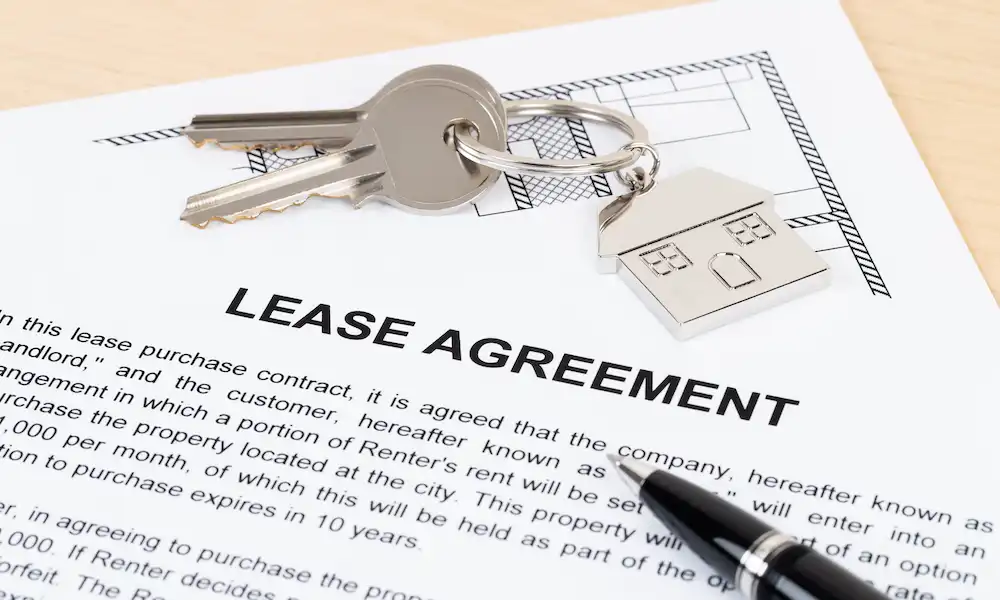
Property managers and owners need to create a lease that’s easy to understand and ensure the tenants read it. To ensure they cover all bases, they should also talk with the renters to see if they know the limits of their contract.
Clearly outlining lease violations and any other behaviors the property owner would object to will also help curb tenant misconduct. That means they won’t be able to pretend they didn’t know the lease’s terms if it comes to it.
5. Screen the tenants
Property managers usually help owners select and screen tenants before a lease is in place. This means they’re uniquely positioned to check if a prospective renter is right for the property and will help it flourish.
Property managers are crucially responsible for thorough tenant screening. This includes following up on guarantors and references and contacting previous landlords. Such diligence is a reliable predictor of a tenant’s responsibility and can significantly reduce the risk of eviction.
Check that the rental application is complete to check for inconsistencies or missing details; these can be red flags. A credit check is another way of assessing whether tenants might be a poor choice for the property.
In Summary
Property managers can help both tenants and landlords by reducing tenant turnover. Their actions before and during the tenancy will ensure the property’s thriving.
However, if you and the owner proceed with an eviction, ensure you only use a complete template that fits your state’s usual process.