Insurance
4 Specific Tips For Owner Builders

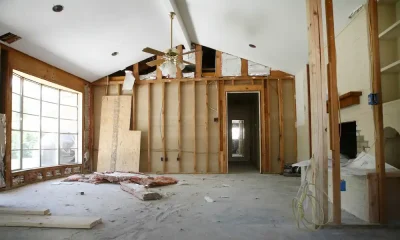
Are you attempting a home build or renovation? There are obvious advantages to doing the job yourself, whether it involves extensions, new buildings, or renovations.
If you know what you’re doing, the DIY approach can result in substantial labour and project management cost savings.
However, it’s not always plain sailing. There’s a lot to contend with, including organizing permits and inspections and checking the licenses of specialist contractors. Plus, there’s the issue of site safety. You’ll need to use experts when required, like machine safety consultants, and get insurance.
Let’s take a look at the top four tips for owner-builders.
1. Planning and Budgeting
Everything done well starts with a plan. Start with a detailed plan that outlines every phase of your project, including timelines, materials, and labour costs. Set a realistic budget with a contingency fund of at least 10-15% to cover unexpected expenses.
Planning helps prevent delays and budget overruns, which are common issues in construction. It also helps set clear expectations and manage costs effectively.
In your plan, add the following checklist.
- Getting the proper planning permits from the local council
- Make sure that you hire licensed contractors
- Double-checking on whether you’ve completed the required training
- Ensure your project is site-safe
- Arranging building inspections at all the relevant stages
- Making sure that you keep up with any changes to state-based regulations
2. Permits and Building Codes
The basic owner-builder permit rules tend to differ from place to place. This is because of certain aspects of where you are located—it might be near power lines, or the specific type of structure being renovated or built will need permits.
Additionally, non-registered builders will first need to determine whether the work requires them to apply for an owner-builder permit. This is essentially where you’d start the project.
Therefore, familiarize yourself with local building codes, regulations, and permit requirements. Before starting, work with the local building department to secure all necessary permits.
Non-compliance with building codes can lead to fines, delays, or even forced demolition. Permits and inspections ensure your building is safe and up to standard.
3. Use The Pros
Skilled professionals are needed even when you take on a DIY build.
While DIY is cost-effective, some tasks, such as electrical, plumbing, and structural work, require licensed professionals. Recognise your limitations and delegate complex tasks to experts.
Using licensed professionals for specialized work ensures safety, compliance, and quality. It can also help you avoid costly mistakes or rework.
4. Organization and Processes
As an owner-builder, you will most likely manage your project. Keep detailed records of plans, contracts, receipts, and permits. Use project management software or tools to track progress, budget, and schedules and maintain open communication with contractors and suppliers.
Organization and communication help avoid misunderstandings, scheduling conflicts, and material shortages. Clear communication keeps everyone on the same page and helps resolve issues quickly.
Final Thoughts
To support your permit application, complete training, including obtaining a general construction induction card from a registered training organization. This training will provide you with valuable education on on-site safety in an operational construction zone, which is essential for home renovations.
There are many benefits to taking on a project as an owner-builder, but you need to be well aware of your legal responsibilities and well-informed at the very planning stages.
These strategies are essential to make your owner-builder project more efficient, cost-effective, and successful.